Neighborhoods
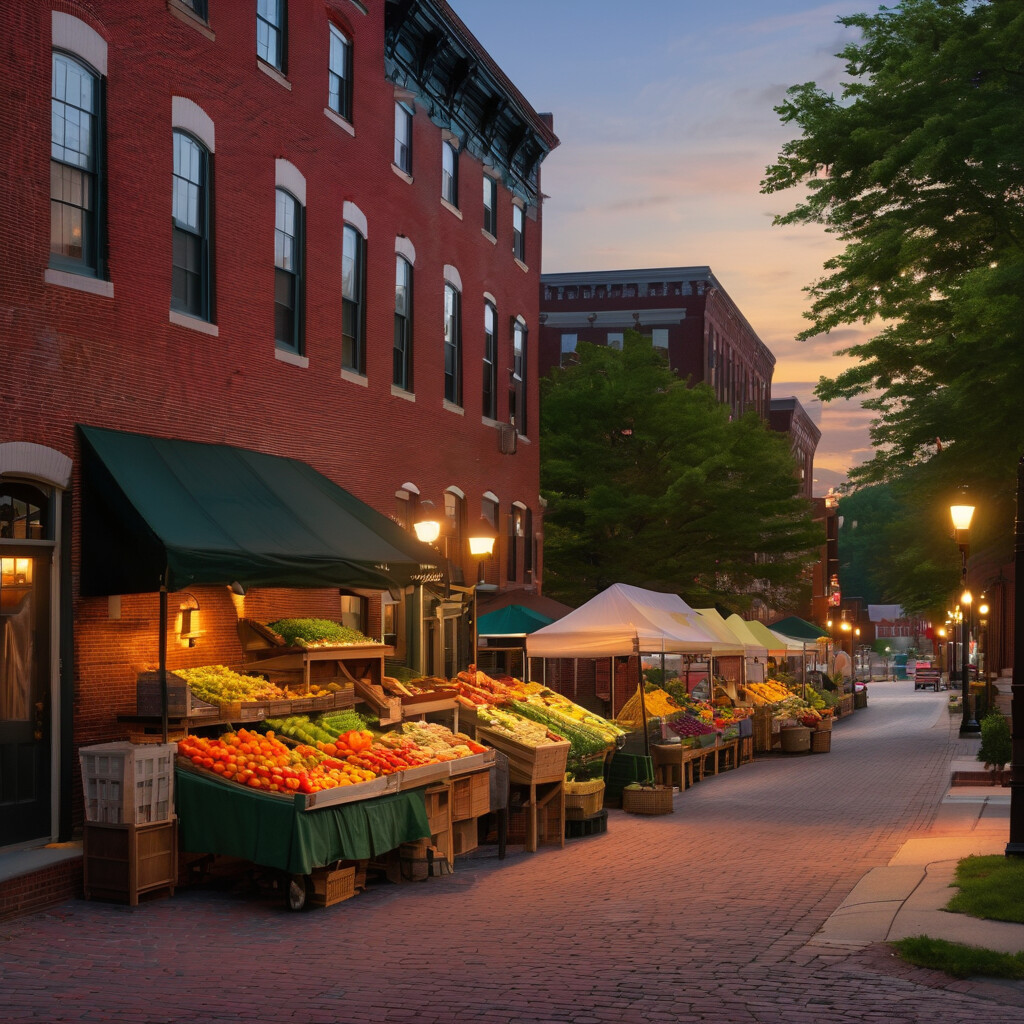
Lowell's food landscape is shaped by its neighborhoods. Where the mill city's history still stands, the community has gathered to eat. This guide shows where the strongest food scenes have taken root, and how the city's distinct districts shape what people choose to eat and where they gather.
Orientation — what this is
Lowell changed from a textile manufacturing center into a neighborhood-rich city where distinct communities brought their own food traditions. The downtown Lowell area carries the city's commercial heart and tourism infrastructure, with the highest concentration of sit-down restaurants and newer openings. The surrounding neighborhoods—each with a different character—host restaurants that range from family-run casual spots that have served the same customers for decades to new ventures that have invested in the Lowell community for years. Some neighborhoods have deep roots in particular food cultures, while others reflect the more recent wave of entrepreneurs moving to the area. This page maps the food worth seeking in each area, so you can make choices based on which neighborhood feels right for what you are looking for. You will find that the strongest neighborhoods for eating are not always the ones with the most restaurants, but the ones where the community has chosen to keep going back.
The key figures
Downtown Lowell has the highest density of sit-down restaurants, from casual quick-service to fine dining. Walk the downtown streets and you will see restaurants that have opened in the last few years alongside ones that have held their spaces for decades. The Acre neighborhood and areas around it hold family restaurants and neighborhood spots that have kept the same clientele for years—these are the places where multiple generations of the same families have eaten. The industrial core, with its old mill buildings and restored river walks, has attracted newer concepts—places run by entrepreneurs who wanted to be part of the community and believed in investing in the neighborhood's future. Surrounding residential neighborhoods each have their own character: some focus on counter-service and takeout, others on dine-in family meals, and still others on specific food traditions that reflect who lives there. The concentration of restaurants downtown and the Acre means you can explore several in a single outing, which makes those neighborhoods ideal for a food adventure. Outside those cores, restaurants tend to serve their immediate neighborhood, which is how you find the true community favorites—the places that would not survive without genuine loyalty from the people who live nearby.

Learn more
- Lowell: There's a Lot to Like, Dining Guide — the city's visitor site, with a map of restaurants and food across Lowell
- Lowell National Historical Park, Plan Your Visit — the National Park Service's guide to the mill-city history behind the downtown districts
How to use it
-
Identify which neighborhood you want to visit
Look at the reference table below to see which district matches your timing and your appetite. Note the restaurant type and density for each area.
-
Use the restaurant directory to find options in that neighborhood
The directory is organized by district and food type, so you can narrow your choices without guessing. Each entry includes what you need to know: hours, the kind of food, and what makes it worth your time.
-
Commit to trying the one that fits your mood
The restaurants in Cellar Guide have earned their place through consistency and care. Pick the one that matches your appetite, and you will understand why the neighborhood chose it.
The reference table
| Neighborhood | Restaurant character | Best for | Dining density |
|---|---|---|---|
| Downtown Lowell | Sit-down, from casual counter to fine dining | Exploring multiple venues in one outing | Highest |
| The Acre | Family-run casual, established for years | Neighborhood favorites and reliable meals | High |
| Industrial Core | New ventures, chef-driven concepts | Trying restaurants with investment in the community | Moderate |
| Residential Neighborhoods | Counter-service and takeout, some family dining | Quick meals and neighborhood standbys | Low |